Remedial and sports massage to reduce pain, support recovery, and help you move more freely.
New prices effective 1 April 2026
30 min $90 | 45 min $120 | 60 min $140 | 90 min $200
A thoughtful, evidence-informed approach to pain, tension, and movement
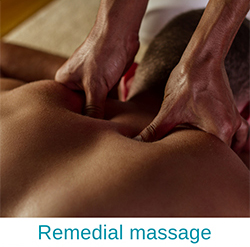
Remedial massage is designed to support your body when something isn’t quite right—whether that’s pain, restriction, or a sense of ongoing tension that won’t settle.
Each session is tailored to you.
We take into account what you’re feeling, how your body is moving, and what you need—not just in the moment, but over time.
This is not a one-size-fits-all treatment. It’s a conversation with your body.
Rather than “fixing” tissues, remedial massage works through a combination of:
Using a mix of techniques—such as targeted pressure, slow sustained work, and gentle movement—we create the conditions for your body to ease tension and move more freely.
Often, pain is not just about tight muscles.
It’s about how the nervous system interprets and protects an area.
When that system begins to feel safe again, change can happen.
People often come in with:
After a session, you may notice:
Sometimes the change is immediate.
Sometimes it’s gradual and builds over a few sessions.
Both are normal.
Remedial massage doesn’t “realign” your body or permanently change structure.
What it can do is influence how your body feels and responds—reducing pain, improving movement, and supporting recovery.
It works best as part of a broader approach that may include:
Remedial massage may be helpful if you’re:
Current research suggests massage can help reduce pain, improve range of motion, and support recovery—primarily through effects on the nervous system rather than structural change.
That aligns with what many clients experience:
a shift in how their body feels, moves, and responds.
If something in your body has been asking for attention—this is a space to listen, respond, and support it.
Supporting recovery, performance, and the demands you place on your body
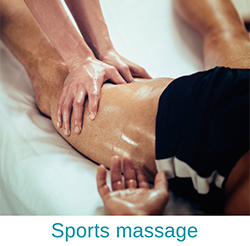
Sports massage is designed for active bodies—whether that’s structured training, weekend sport, or simply a physically demanding life.
It can support you before, during, or after activity, helping your body recover, reset, and stay resilient.
Sports massage uses a combination of techniques tailored to your activity and goals, including:
Depending on what you need, sessions may feel more energising or more restorative.
Like all massage, its effects are not about “breaking down tissue” or “flushing toxins.”
Instead, it works by:
Sports massage can help with:
After a session, people often feel:
Sports massage can be used in different ways:
We’ll adjust the approach depending on where you are in your training or activity cycle.
Sports massage won’t “flush lactic acid” or prevent all injury.
What it can do is help your body recover more comfortably, move more freely, and stay better regulated under load.
Research suggests that massage may help reduce muscle soreness and support short-term recovery, with smaller or variable effects on performance.
What many people value most is how it helps them feel:
freer, lighter, and more ready to train again.
Whether you’re training hard or simply asking a lot of your body, this is a way to support it—without pushing it further.